 Genetics Research
Start here
The basics, without the jargon.
There are three words you need to learn to understand your DNA - Genes, SNPs, and alleles. Let's explain them images, videos and a few words.
What is an SNP?
DNA is written in a similar way to your computer. Computers work in binary, which is 0s and 1s. So when you type in 23, the computer stores that as 00010111 in it's language, for the word dog the computer records that as 01100100 (d) 01101111 (o) 01100111 (g) - the computer only has 0 and 1 to create things with - everything you have on your computer is stored as 0s and 1s.

Computers use 0s and 1s, DNA uses four-letters as it's language: "A", "T", "C", and "G" which are acronyms for nucleotides - Adenine, Cytosine, Guanine, and Thymine.
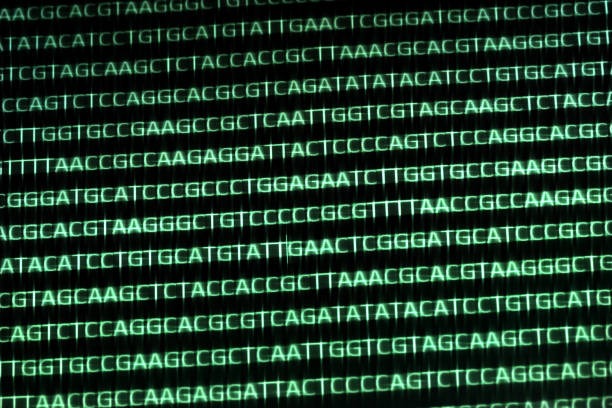
So AACCTTGGA in a row, or AGGCCCAAATAA, means something different than just those letters standing alone, the sequence together spells out something in your internal book - for a computer there are sequences coming together to make something, 011001000110111101100111 for dog, for DNA AGGCCCAAATAAAGGCCCAAAT may be to make some dopamine at 9am everyday!
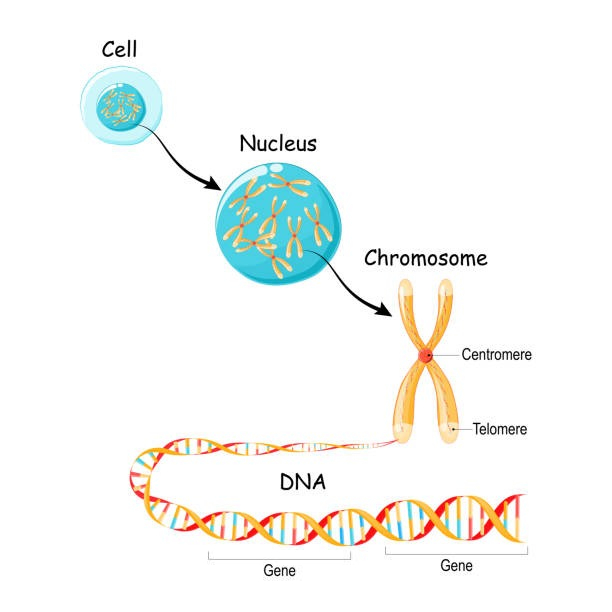
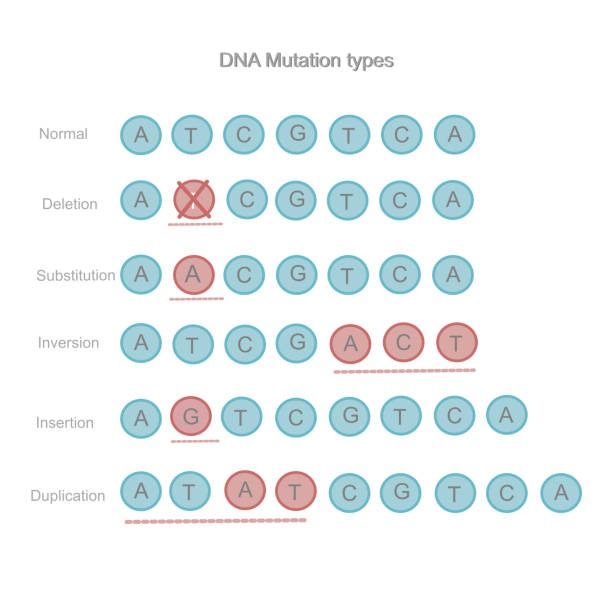
If the human line of code changes sequence, we call this a Single Nucleotide Polymorphism (SNP), pronounced "snip" or S-N-P. For example, at one point, all humans in a position had C in the position of AGTTCGGA, but one day there become also the option of a AGTTTGGA. That one-letter difference is a/an SNP.
SNPs are incredibly common — but to appreciate the scale:

A breakdown of the ~10 million common variants (>1%) by percentage:
These are the oldest, most shared variants, often present in nearly half the human population. For example, the gene TAS2R38, has two common variants which affect amino acid tasting of bitter foods, people with one type of the allele see vegetables like kale as extremely bitter, and some people have a more dull bitterness sensor so the food seems less bitter. So these variants you will likely share with the people around you, as they are very common in the species as a whole.
>20% (The "Major" Pool)<: ~3–4 million variants.
These are variants found in at least 1 in 5 people. So you may find these variants starting to be mostly restricted to environmental regions and developed through adaptation to surroundings but were useful enough to spread wildly amongst the species.
>10% (The "Widespread" Pool): ~5–6 million variants.
These variants are now found in at least 1 in 10 people globally.
>5% (The "Frequent" Pool): ~7–8 million variants.
These are the ones found in 1 out of 20 people.
>1% (The "Common" Pool): ~10–12 million variants.
This encompasses all the preceding sections within it, any gene that has a different letter for >1% of human beings.
Each SNP has a unique reference ID called an rsID (reference SNP ID), assigned by the NCBI dbSNP database. These look like rs1801133, rs1805087, rs4846048. They're how researchers and databases refer to specific positions in the genome consistently across studies.
What is a Gene?
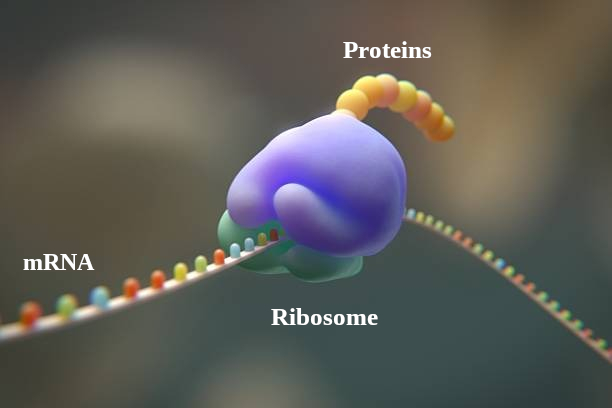
- Gene is a blueprint, like a house design map of whats in your house, the DNA strand is a long instruction list of what's in your house and its just a continuous list of gene instructions - the lamp goes into the right corner of the kitchen cabinet, the big blue bear goes into the little shelf besides the third child's basket, etc. They run in a continuous list and visually are what you know as the DNA strand.
- mRNA, the messenger reads the blueprint and takes a photocopy of it to the builder.
- Ribosome, the builder, then builds the gadget needed to do the job the instructions ask for.
- The protein, the gadget, then does what the blueprint says to do and receives (say receives dopamine - receptor) or makes (say makes dopamine - enzyme) things.
DNA is a Blueprint
mRNA makes a Transcription
Ribosome makes a Translation
Glycine = GGUGGCGGAGGG
Alanine = GCUGCCGCAGCG
Valine = GUUGUCGUAGUG
Leucine = UUAUUGCUUCUCCUACUG
Serine = UCUUCCUCAUCGAGUAGC
Threonine = ACUACCACAACG
Proline = CCUCCCCCACCG
Arginine = CGUCGCCGACGGAGAAGG
Isoleucine = AUUAUCAUA
Phenylalanine = UUUUUC
Tyrosine = UAUUAC
Cysteine = UGUUGC
Tryptophan = UGG
Histidine = CAUCAC
Glutamine = CAACAG
Asparagine = AAUAAC
Lysine = AAAAAG
Aspartate = GAUGAC
Glutamate = GAAGAG
Methionine = AUG
Stop = UAAUAGUGA
Protein, the final gadget can now do its job:
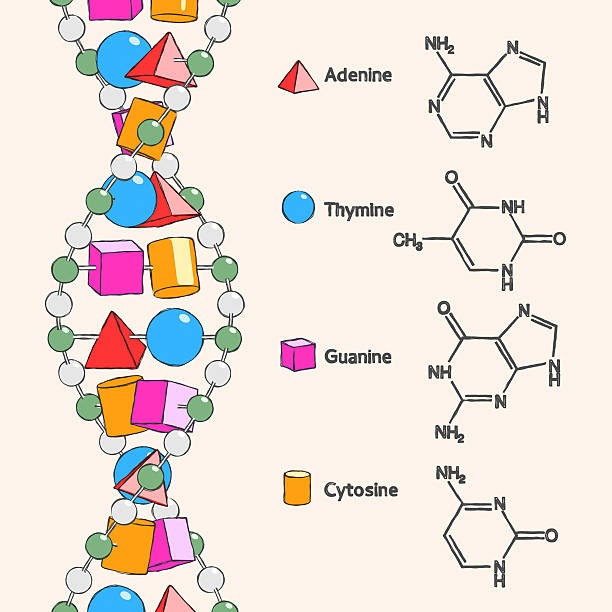
Say your job as a gadget is to process carrots, which is gene BCMO1 which is 20,000 letters (base pairs) - meaning in this case specifically 20,000 letters are used in combination to create one blueprint with 1,600 of those letters do action-based tasks. One of those letters is called rs12934922, and it can be A (it's default) or T. It changes the writing in the blueprint to read "get vitamin A from animals, I can't be bothered processing plants for Vitamin A anymore" (T) wheres the default allele says "get Vitamin A from anywhere" (A).
What is an Allele?
An allele is the specific version of a gene — or a specific letter at a position — that you actually carry. Because you have two copies of every chromosome, you have two alleles at every position: one inherited from your mother, one from your fathe r.
If both copies are the same (e.g. CC at a given SNP position), you're homozygous at that position. If they differ (e.g. CT), you're heterozygous. This matters because many variants only show significant effects when homozygous — carrying two copies of the less common allele. Heterozygous carriers often land somewhere in between.
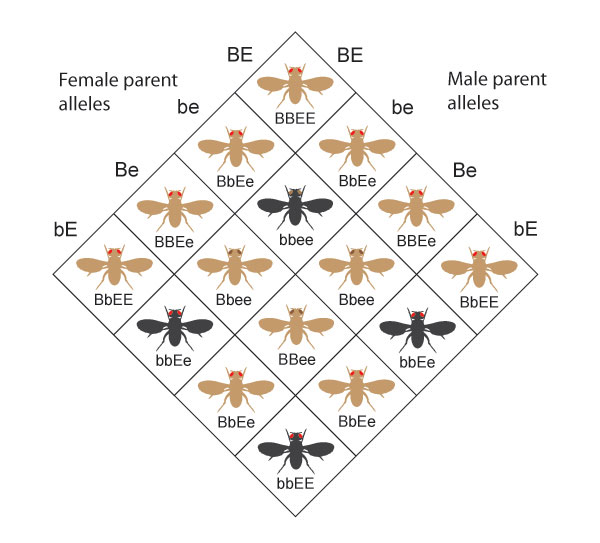
A dominant allele expresses itself even when only one copy is present. A recessive allele only shows its effect when both copies carry it — one from each parent. The classic way to visualise this is through trait inheritance in a real organism.
What makes genetics genuinely surprising is epistasis — where one gene masks or modifies the effect of another entirely. The classic example is coat colour in mice. Two separate genes are at play: one controls whether the coat will be black (B<, dominant) or brown (b, recessive), and a second controls whether any pigment is produced at all (C = colour present, c = no colour). A mouse that is cc (homozygous for no-colour) cannot make pigment regardless of what its B/b alleles say — so it appears white, even though it's carrying functional black or brown coat genes that simply can't be expressed.
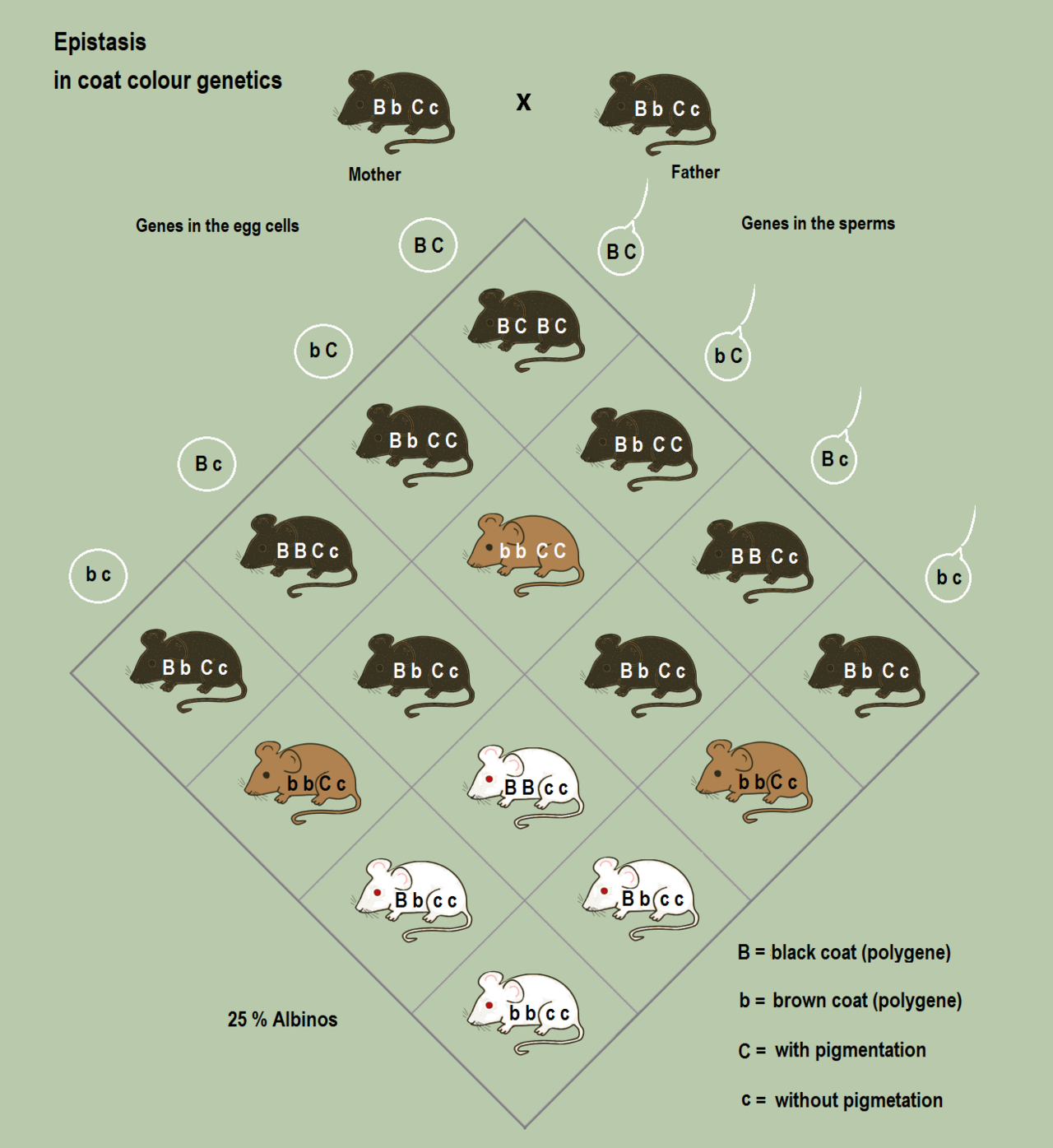
Most SNPs studied in modern genetics don't follow simple dominant/recessive rules — they're additive (each copy of the variant adds a small, measurable effect) or codominant (both alleles contribute independently). Epistasis — where one gene's effect depends on what's happening at another — is why studying SNPs in isolation only tells part of the story.
What Binds to Alleles?
DNA isn't just passively sitting there. It's constantly being read, regulated, switched on and off. Several types of molecules interact with it directly.
Transcription factors are proteins that bind to specific DNA sequences near a gene and either activate or suppress its expression. Think of them as switches. A small change in the binding site sequence — from an SNP, for example — can mean a transcription factor no longer recognises it, changing how much of a protein gets made.
Methylation is a chemical modification where a methyl group (CH₃) is attached directly to a cytosine base in the DNA. Methylated regions are generally silenced — the gene doesn't get read. This is part of epigenetics: changes in gene expression that don't alter the underlying DNA sequence. Crucially, methylation depends heavily on folate metabolism. Folate (vitamin B9) feeds into a pathway that produces SAM (S-adenosylmethionine), the universal methyl donor. If your MTHFR or MTR enzymes are impaired, SAM production drops and methylation across the whole genome is affected.
Hormones such as oestrogen, testosterone, and cortisol bind to receptor proteins that then act as transcription factors. This is why hormone levels can have broad effects on gene expression, and why SNPs in receptor genes (like oestrogen receptor alpha, ESR1) can alter sensitivity to hormonal signals.
Drugs and antifolates work by mimicking or blocking the natural molecules that bind to gene products. Methotrexate, for instance, blocks DHFR (dihydrofolate reductase) by fitting into the same binding site as dihydrofolate — jamming the folate cycle and stopping rapidly dividing cells. Your SNPs in DHFR, TYMS, and related genes affect how well (or poorly) antifolate drugs work in your body.
What is a Haplogroup?
As humans migrated out of Africa over tens of thousands of years, populations became geographically separated. Over time, each group accumulated its own set of SNPs — small mutations that arose and spread within that group but not others. A haplogroup is a cluster of such SNPs that are reliably inherited together (because they sit close together on the chromosome and rarely get separated by recombination). It acts as a genetic fingerprint for an ancestral lineage.
There are two main types. Mitochondrial haplogroups trace your maternal line: mitochondrial DNA is passed only from mother to child, so it accumulates mutations linearly through the maternal lineage without being shuffled by recombination. Mitochondrial haplogroups have letter-based names like H, J, T, U — H is the most common in Europeans. Y-chromosome haplogroups trace the paternal line in men, in the same way.
Where haplogroups become relevant to functional genetics is in population frequency data. An SNP that's common in one haplogroup may be rare in another, which affects how we interpret its significance. This is why this site uses Caucasian population frequencies from NCBI as the reference — it's the population context that matches the data.